
Latest News
Govt to consider bringing petrol, diesel under GST

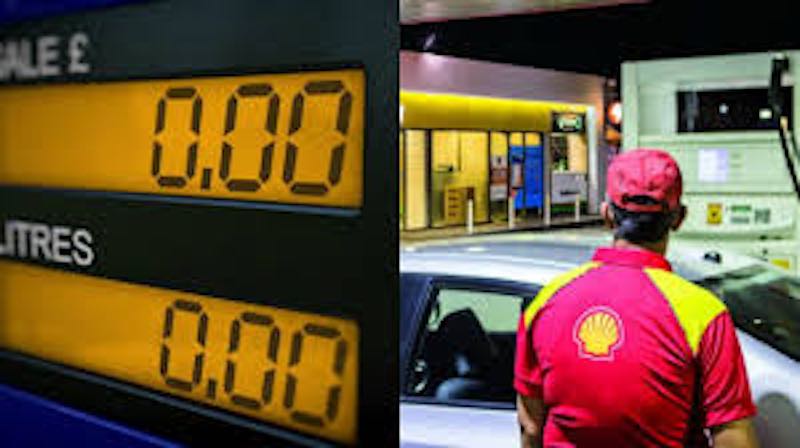
An Indian ministerial panel on the country’s goods and services tax will consider taxing petroleum products under a single national rate, according to people familiar with the matter, opening the door for a potentially major change in consumer prices and government revenue.
The panel, headed by Finance Minister Nirmala Sitharaman, will examine the proposal at its meeting Friday after an Indian court asked for the matter to be taken up, the people said, requesting not to be identified as the agenda of the meeting isn’t public.
A spokesperson for the finance ministry didn’t immediately respond to calls for comment.
Any change to the GST system would require approval by three-fourths of the panel, which includes representatives from all states and territories some of which have resisted incorporating fuels into the system as they would be handing over a key revenue-raising tool to the central government.
The move to a uniform levy for fuel, discussions of which were reported earlier by CNBC-TV18, would help soften gasoline and diesel prices, which have been testing records in recent months mainly due to taxes imposed by the federal and state governments.
Levies make up more than half of fuel costs in the country, a sore point for the inflation-targeting Reserve Bank of India as it seeks to keep borrowing costs low to support economic recovery from the pandemic. Diesel and gasoline make up more than half of the country’s fuel consumption.
At its meeting Friday, the GST panel also plans to consider extending concessions on some drugs used in Covid-19 treatment for another three months until Dec. 31, the people said. The government will also likely present options on compensating states for their GST losses beyond next year


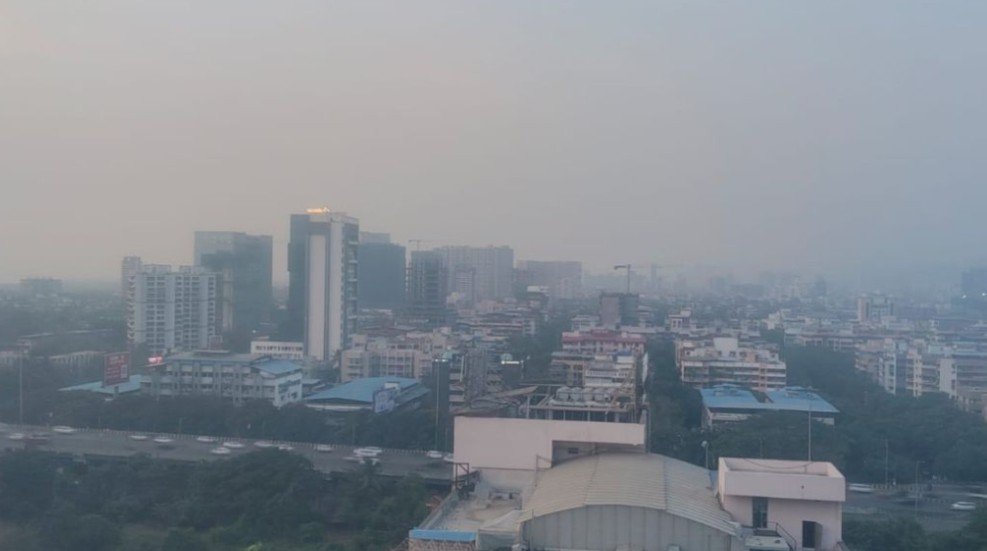
AQI Crosses 100 Amid Calls for Better Monitoring, Dust Control and Stricter Checks on Industrial Emissions.
The Concern
Navi Mumbai is witnessing a rise in air pollution, with the Air Quality Index (AQI) remaining above 100, raising concerns among residents and environmental activists.
According to a report, the Central Pollution Control Board (CPCB) recorded the city’s AQI at 103, while some private monitoring platforms reported readings above 130. The difference has prompted activists to demand greater transparency in air-quality monitoring. Environmentalists have identified construction activities, industrial emissions, vehicular traffic, road dust and rapid redevelopment as possible contributors to the worsening air quality. Residents have also expressed concerns about the impact of pollution on their health.
C.A. Vishnu Joshi, convenor of Parsik Greens, called for public access to air-quality data and monitoring records. Kapithra Kannapiran, founder of Owe Earth, stressed the need for additional monitoring stations, stricter checks on industrial emissions and stronger enforcement of pollution-control rules. Environmental activists have also highlighted the importance of protecting green spaces and promoting urban forests and green rooftops to help improve air quality.
Meanwhile, a Navi Mumbai Municipal Corporation (NMMC) official said the civic body was coordinating with the Maharashtra Pollution Control Board (MPCB). Measures include street cleaning, dust control and inspections of industrial units. However, questions remain over the differing AQI readings and the effectiveness of existing pollution-control measures. Residents and environmental groups are calling for more transparent monitoring and stronger action to address the city’s growing air-pollution problem.
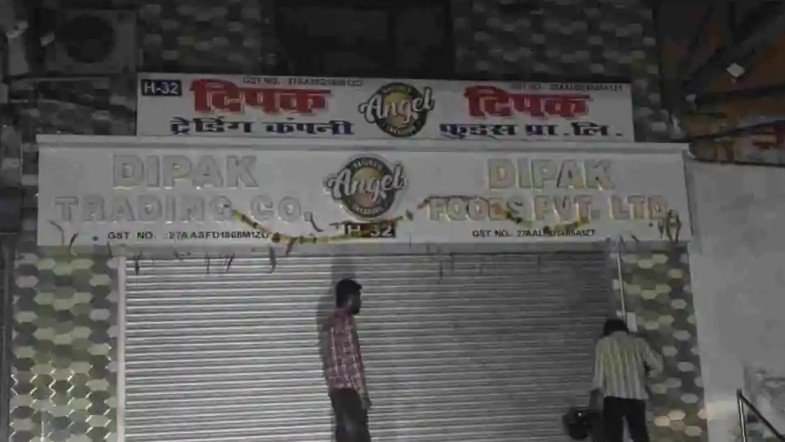
Investigators Suspect Undervaluation of Imported Walnuts, Multiple Firms Under Scanner.
The Arrest
A trader associated with the Navi Mumbai Agricultural Produce Market Committee (APMC), Deepak Kakadiya, has been arrested in connection with an alleged customs duty evasion case involving imported walnuts. According to the report, investigators suspect that importers undervalued walnuts brought from Chile to reduce their customs duty payments. The alleged fraud is estimated to have caused a loss of around Rs 44 crore in customs revenue.
The investigation has brought Deepak Trading Company and four other firms under scrutiny. Officials suspect that some businesses may have been registered in the names of employees to hide the identities of the people who were actually controlling their operations. Investigators are also examining a separate alleged customs duty fraud involving approximately Rs 41 crore. In that case, importers reportedly claimed duty benefits by falsely declaring walnuts as originating from Afghanistan.
The case has attracted attention following earlier arrests and legal proceedings involving members of the Kakadiya family. Authorities are investigating the financial transactions and the alleged roles of the individuals and companies connected to the case. The investigation is ongoing, and further details are expected as authorities examine the suspected irregularities. The allegations have not yet been established in court, and the accused are presumed innocent unless proven guilty.
Reduced rainfall and falling dam levels prompt authorities to suspend water supply on Tuesdays and Fridays.
The Water Cut
Uran in Navi Mumbai will face water cuts twice a week from October 27 due to declining water levels in Ransai Dam and insufficient rainfall. The decision is expected to affect Uran town, nearby villages and industrial areas that depend on the dam for their water supply.
Under the revised schedule, water supply will be suspended every Tuesday and Friday. The move comes amid growing concerns over the availability of water as dam levels continue to fall. Ransai Dam is a major source of water for Uran and its surrounding areas. The shortage has already affected several villages, including areas around Chanje and Kegaon. Residents in some locations have reportedly been receiving water for only around 30 minutes once every 15 days, making it difficult to manage their daily requirements.
The state government had also announced a 10 per cent water cut from October 16 amid concerns over water availability. Authorities have appealed to residents to use water carefully and avoid wastage. The shortage has also raised concerns among local residents and representatives about water management and delays in infrastructure projects.
With water levels continuing to decline, the administration faces the challenge of managing available supplies and ensuring that households, villages and industrial establishments receive adequate water. Residents have been urged to conserve water and prepare for the scheduled interruptions in supply.

Rising Air Pollution in Navi Mumbai Raises Concerns Over Civic Action

Navi Mumbai APMC Trader Arrested in Rs 44 Crore Customs Duty Evasion Case

Uran to Face Water Cuts Twice a Week from October 27 as Ransai Dam Levels Decline

Nidhi Razdan, fake Harvard professorship, and here is the explanation through her blog.

As the arrangement with Prashant Kishor falls through Rahul Gandhi has gone overseas again and is uncontactable

BSNL reveals all new 4G plans starting at ₹16

-
 Fact Check6 years ago
Nidhi Razdan, fake Harvard professorship, and here is the explanation through her blog.
-
 India4 years ago
As the arrangement with Prashant Kishor falls through Rahul Gandhi has gone overseas again and is uncontactable
-
 Technology5 years ago
BSNL reveals all new 4G plans starting at ₹16
-

 Latest News5 years ago
Government has spent ₹9,725 crores on Covid-19 vaccination drive so far
-

 Latest News5 years ago
Tata wins Air India with ₹18,000 crore bid
-

 Latest News5 years ago
Jharkhand government cuts Petrol price by massive ₹25 a litre but with a catch
-

 Latest News5 years ago
Raj Kundra Gave ₹25 Lakh Bribe to Mumbai Crime Branch to Avoid Arrest
-

 Navi Mumbai5 years ago
Navi Mumbai civic body raids and tests morning walkers, many found COVID positive