
Latest News
MSEDCL’s negligence is exposed by a high-tension cable heist


On Wednesday, January 24, a High-Tension (HT) cable that is essential to the continuous provision of electricity to communities, container yards, and companies in Uran East Division was surreptitiously stolen. Residents have been talking about the stolen power wire, which is said to be worth crores of rupees. Many have speculated that contractors and MSEDCL personnel may have been complicit in the theft.
For a long time, the eastern division’s residents have struggled with regular nighttime power outages. The taluka chairman of the Shiv Sena, Santosh Thakur, and the taluka president of the MNS, Satyawan Bhagat, have both consistently pushed the Mahavitaran office to take up the matter. To address the ongoing power supply issues, contractors were tasked with installing a new HT cable two years ago at an estimated cost of Rs. 8 crores. The cable was, however, inexplicably disconnected on the evening of January 24.
The theft of the expensive cable has made residents more concerned as the number of burglaries in the Uran East Division rises. Now, everyone is watching the engineers of MSEDCL to see what tangible steps they take in reaction to this serious security breach.
Deputy Engineer Vijay Sonawane of the General Distribution Office in Uran is looking into the possibility that the contractors removed the stolen cable rather than taking it. “We look into the matter,” he said.
MNS Taluka President Satyawan Bhagat expressed worry over the occurrence and underlined that the MSEDCL authority has to take legal action against individuals who are jeopardizing the vital infrastructure for the delivery of energy. “After investing millions of rupees, the MSEDCL officials took on the task of installing cables from Khopta Bridge to deliver uninterrupted energy to the villages of Uran East Division. The Mahavitaran Company’s officials ought to file a lawsuit against anyone who disconnects and wastes power from that supply wire without ensuring a steady supply of electricity,” he said.







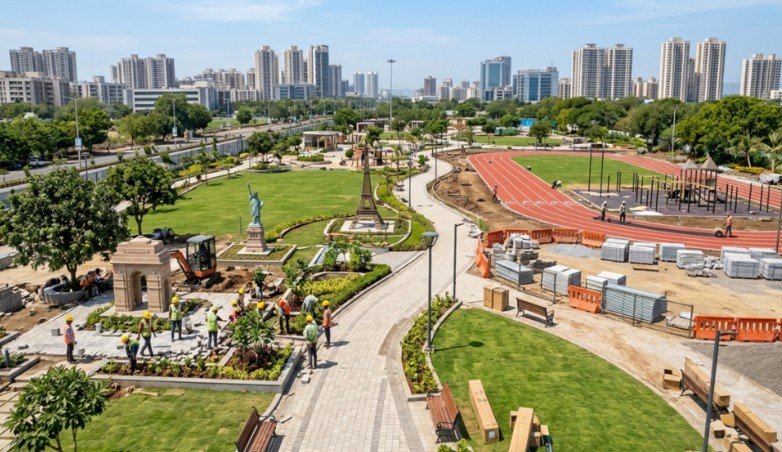
Renovation costs for the Nerul attraction may rise to Rs 13.89 crore for Phase III, with the project deadline proposed to be extended until March 2028.
The Renovation
The Navi Mumbai Municipal Corporation (NMMC) has proposed an additional expenditure of Rs 5.26 crore for the third phase of renovation work at Wonders Park in Nerul, Sector 19A. The civic administration has also sought an extension of the project deadline until March 2028.
The third phase was initially estimated to cost around Rs 6.69 crore. However, the contract value had already increased to Rs 8.55 crore, and the proposed additional spending would take the total to approximately Rs 13.89 crore.
According to the civic administration, the increase is due to additional work included in the project, changes in tender costs and the impact of revised Goods and Services Tax (GST) rates. The revised overall cost of all three phases is estimated at approximately Rs 36.73 crore. The project was originally scheduled for completion by December 31, 2025. However, the deadline was temporarily extended until March 2026 due to election-related delays and the Model Code of Conduct.
The administration has now proposed extending the contract period from April 1, 2026, to March 31, 2028. The additional expenditure and extension will require approval from the civic body’s general assembly. The proposal has brought attention to rising renovation costs and repeated delays in upgrading Wonders Park, one of Navi Mumbai’s popular recreational destinations.
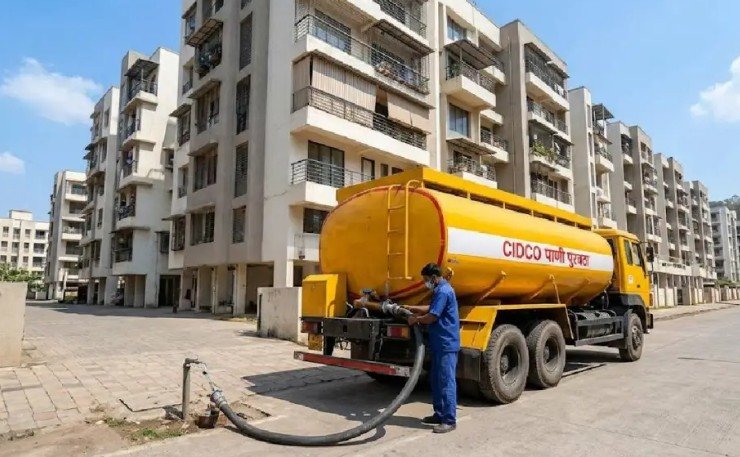
New system aims to improve transparency and water distribution amid a 50 MLD supply shortage across CIDCO areas.
The Dashboard
The City and Industrial Development Corporation (CIDCO) has introduced a digital dashboard to monitor water tanker operations in Kharghar and Taloja, where residents are facing water shortages due to reduced supply.
The dashboard will track residents’ complaints, tanker requests, delivery schedules and the number of trips made to housing societies. Assistant engineers will verify water shortages by checking water meter readings, while society representatives will confirm deliveries after tankers arrive. According to the report, 14 tankers make around 140 trips daily in Kharghar and Taloja. Across the wider CIDCO area, 40 tankers are expected to make approximately 280 to 300 trips every day.
CIDCO’s total water requirement stands at around 361 million litres per day (MLD), against the current supply of approximately 311 MLD, resulting in a shortfall of 50 MLD. The shortage has particularly affected housing societies located on higher ground and at the ends of water distribution networks, where low pressure often disrupts supply.
CIDCO bears the transportation costs for tanker deliveries, while residents are charged ₹125 for every 10,000 litres of water supplied. The new dashboard is expected to improve monitoring, ensure transparency and help authorities distribute water more efficiently. However, residents may continue to depend on tankers until the gap between water demand and supply is reduced.

Vashi APMC market records a price increase of Rs 200 to Rs 600 per kg, putting pressure on festive shopping budgets.
The Prices
Dry fruit prices have increased significantly ahead of Diwali, making festive shopping more expensive for consumers. Wholesale prices at the Vashi Agricultural Produce Market Committee (APMC) market have risen by around Rs 200 to Rs 600 per kg compared to last year. The price rise is expected to affect households preparing Diwali sweets and snacks, as well as those purchasing dry fruit gift boxes for relatives, friends and employees.
According to market rates, green pistachios are selling at Rs 3,000 to Rs 3,200 per kg, while almonds cost Rs 1,100 to Rs 1,500 per kg. Cashew prices range from Rs 950 to Rs 1,500 per kg, while walnuts are priced between Rs 900 and Rs 2,200 per kg. Dried figs are selling at Rs 1,000 to Rs 2,400 per kg. Premium dry fruits are even more expensive, with pine nuts costing Rs 5,600 to Rs 6,000 per kg. Meanwhile, blueberries are priced at Rs 1,400 to Rs 1,600 per kg and cranberries at Rs 600 to Rs 800 per kg.
Traders have attributed the increase to supply shortages in international markets, import duties and rising transportation costs. Supplies from countries such as Iran and the United States have reportedly been affected, while arrivals at ports have remained lower than expected. With Diwali shopping underway, consumers may need to spend more on traditional festive preparations and gift hampers this year.

NMMC Proposes Additional Rs 5.26 Crore for Wonders Park Renovation

CIDCO Launches Digital Dashboard to Monitor Water Tankers in Kharghar and Taloja

Dry Fruit Prices Rise Ahead of Diwali in Navi Mumbai

Nidhi Razdan, fake Harvard professorship, and here is the explanation through her blog.

As the arrangement with Prashant Kishor falls through Rahul Gandhi has gone overseas again and is uncontactable

BSNL reveals all new 4G plans starting at ₹16

-
 Fact Check6 years ago
Nidhi Razdan, fake Harvard professorship, and here is the explanation through her blog.
-
 India5 years ago
As the arrangement with Prashant Kishor falls through Rahul Gandhi has gone overseas again and is uncontactable
-
 Technology5 years ago
BSNL reveals all new 4G plans starting at ₹16
-

 Latest News5 years ago
Government has spent ₹9,725 crores on Covid-19 vaccination drive so far
-

 Latest News5 years ago
Tata wins Air India with ₹18,000 crore bid
-

 Latest News5 years ago
Jharkhand government cuts Petrol price by massive ₹25 a litre but with a catch
-

 Latest News5 years ago
Raj Kundra Gave ₹25 Lakh Bribe to Mumbai Crime Branch to Avoid Arrest
-

 Navi Mumbai6 years ago
Navi Mumbai civic body raids and tests morning walkers, many found COVID positive