
Latest News
PMC Head Asks Locals To Observe “Dry Day” In Order To Stop The Spread Of Malaria And Dengue

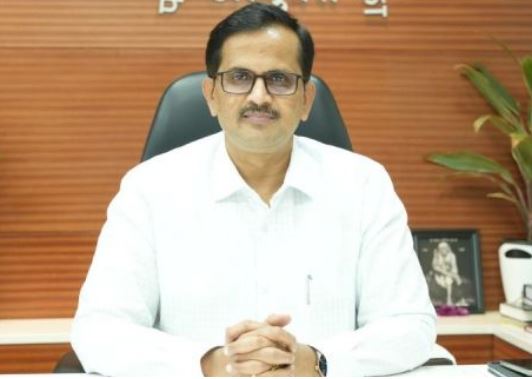
Commissioner Mangesh Chitale has urged the people of Panvel Municipal Corporation to observe ‘Wednesday’ as a dry day due to the continuation of the rainy season and the increased danger of infectious and vector-borne illnesses. The goal of this program is to stop the mosquitoes that transmit malaria and dengue from reproducing.
A perfect breeding environment for illnesses carried by vectors is produced when rainwater accumulates in different places. The Medical Health Department is educating the public about preventative measures against vector-borne illnesses in an effort to combat this. Citizens can efficiently avoid these illnesses by adhering to the Municipal Corporation’s directions.
There is an increase in vector-borne illnesses following the monsoon. Commissioner Chitale urges residents to properly dispose of all waste, boil drinking water, and wash fruits and vegetables before eating them in order to protect themselves from this. To stop mosquitoes from multiplying, it’s important to keep homes and surrounding areas clean, disinfect water tanks, and make sure standing water is emptied. He also stresses the need of drinking only clean well water and cautions against eating old or open food.
The Chief Medical Officer of the Medical Health Department, Dr. Anand Gosavi, suggests that Wednesdays be designated as “Dry Days” each week. This include draining and thoroughly drying any standing water from water coolers, money plants, vases, refrigerator back trays, water storage drums, and other possible indoor mosquito breeding areas.
Additional health advice includes eating freshly prepared, properly cooked food, avoiding exposed street food, and washing hands with soap both before and after using the restroom. If a citizen has a fever, cold, or cough, they should get in touch with the closest civil primary health center as away.
If inhabitants see any signs of epidemic diseases such malaria, chikungunya, dengue, or encephalitis, they should go to the closest hospital or civic primary health center. In accordance with the Medical Health Department’s guidelines, hospitals and laboratories are also asked to report instances of dengue and malaria to the corporation.




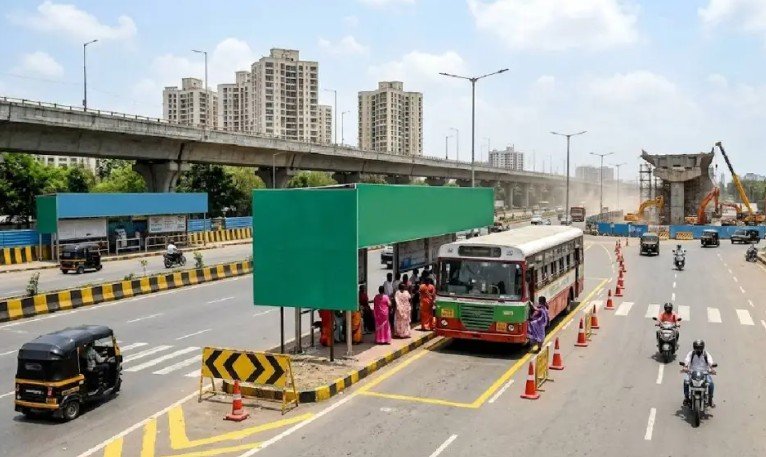
NMMT moves stops by 50 metres as authorities prepare traffic arrangements for demolition work.
The Bus Stop
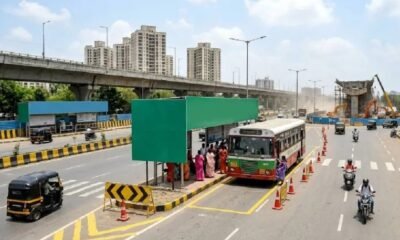
Commuters travelling through Nerul and Turbhe may soon see changes in traffic movement as authorities prepare to demolish the remaining sections of the Turbhe flyover. To minimise inconvenience to passengers, NMMT has shifted the bus stops at Nerul LP by around 50 metres in both directions.
The bus stop for passengers travelling towards Panvel has been moved about 50 metres ahead, while the stop on the Vashi-bound side has also been relocated by a similar distance. New poles have been installed at the revised locations. Drivers and conductors from NMMT’s Turbhe, Asudgaon and Ghansoli depots have been instructed to use the new stops for passenger pick-ups and drop-offs.
The changes come as officials prepare for the demolition of the remaining two sections of the Turbhe flyover. One of the three sections is already undergoing work, while the demolition of the other two could affect traffic between Thane and Vashi. Traffic officials and the Public Works Department are working on an alternative traffic plan, including possible diversions through the Nerul LP underpass. However, the final diversion route and demolition schedule have not yet been announced.
Officials said the remaining sections of the flyover need to be demolished due to structural deterioration. Permissions and other preparations are currently underway.
For regular commuters, the temporary bus-stop shift is expected to be an important change to note as authorities work on the larger traffic management plan.
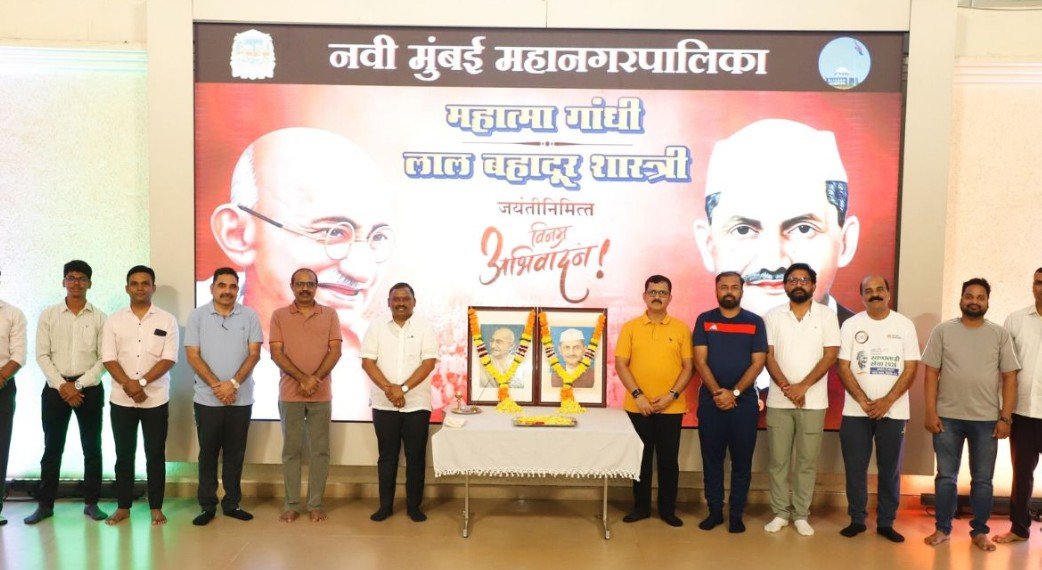
Civic officials remember the contributions of Mahatma Gandhi and Lal Bahadur Shastri at Belapur headquarters.
The Tribute
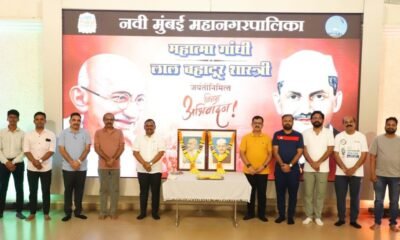
The Navi Mumbai Municipal Corporation (NMMC) paid tribute to Mahatma Gandhi and former Prime Minister Lal Bahadur Shastri on their birth anniversaries on October 2. A commemorative programme was held at the NMMC headquarters in Belapur, where NMMC Deputy Mayor Dashrath Bhagat offered floral tributes to the portraits of both national leaders at the civic headquarters’ amphitheatre.
Senior NMMC officials were present during the programme, including Additional Municipal Commissioner Sunil Pawar, Chief Auditor Rajendra Gadekar, Deputy Commissioner of Property Tax Dr Amol Palve, Deputy Commissioner of Solid Waste Management Dr Ajay Gadde and Chief Sanitation Officer Rajusingh Chavan.
The occasion provided civic officials an opportunity to remember the lives and contributions of two prominent figures in India’s history. Mahatma Gandhi is widely remembered for his leadership in India’s freedom movement and his emphasis on truth, non-violence and cleanliness. Lal Bahadur Shastri, India’s second Prime Minister, is remembered for his simple lifestyle, leadership and the slogan “Jai Jawan, Jai Kisan.”
The tribute programme also highlighted the continued relevance of their values in public life. For a civic body like NMMC, Gandhi’s emphasis on cleanliness and public responsibility remains particularly significant. Officials and staff gathered at the headquarters to mark the occasion and pay their respects to the two leaders. The programme concluded with floral tributes in their memory.
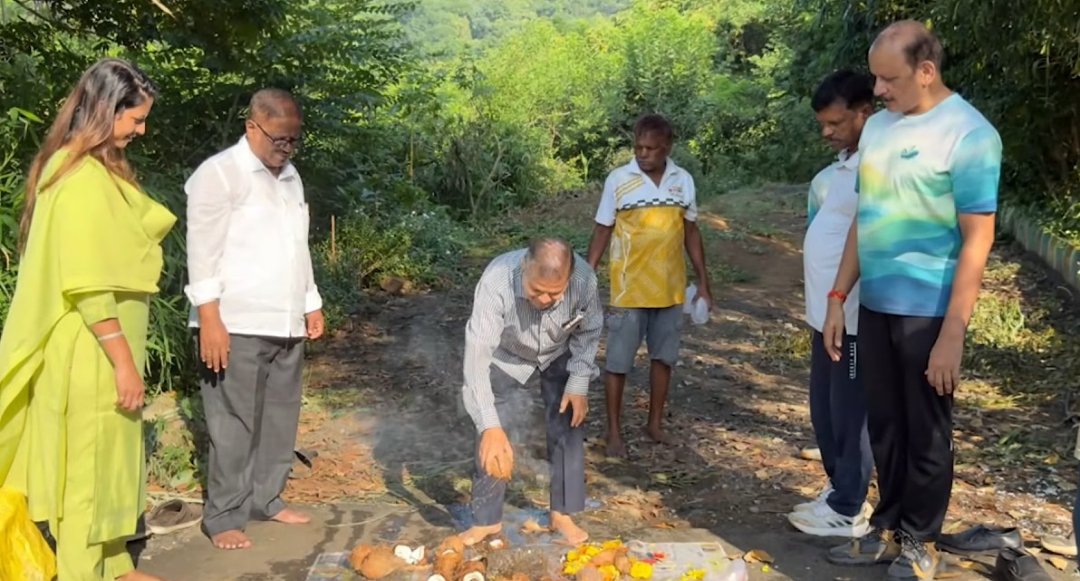
NMMC begins installing fitness equipment at the scenic CIDCO Nursery area following residents’ demand.
The Gym
Residents of CBD Belapur’s Sector 9 will soon have a new outdoor fitness facility close to their regular morning-walk route. The Navi Mumbai Municipal Corporation (NMMC) has started installing open gym equipment at the CIDCO Nursery hill area following a proposal raised by BJP corporator and Standing Committee member Swati Gurkhe.
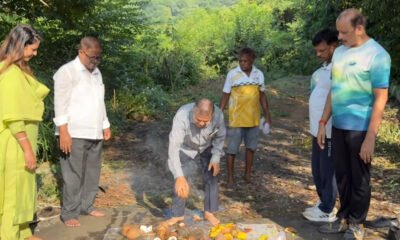
The work was inaugurated in the presence of senior citizens, former corporator Ashok Gurkhe, Swati Gurkhe and several local residents. The CIDCO Nursery area is known for its greenery, trees and peaceful surroundings. Every morning, many residents visit the area for walking and exercise, making it a popular spot for health-conscious citizens. The new open gym is expected to give them an additional option to include basic strength and fitness exercises in their routine.
Swati Gurkhe said the proposal was made after residents requested better fitness facilities in the area. She said the civic administration has now started implementing the project and efforts will be made to provide good-quality equipment based on residents’ needs. She added that the facility could be expanded in the future if residents require additional equipment or improvements. Their suggestions will be considered while planning further work.
The initiative aims to make better use of the naturally green surroundings while encouraging residents, particularly senior citizens and regular walkers, to stay active and maintain a healthier lifestyle.

Nerul Bus Stops Shifted Ahead of Turbhe Flyover Demolition

NMMC Pays Tribute to Gandhi and Shastri on Birth Anniversaries

CBD Belapur’s Sector 9 to Get New Open Gym

Nidhi Razdan, fake Harvard professorship, and here is the explanation through her blog.

As the arrangement with Prashant Kishor falls through Rahul Gandhi has gone overseas again and is uncontactable

BSNL reveals all new 4G plans starting at ₹16

-
 Fact Check6 years ago
Nidhi Razdan, fake Harvard professorship, and here is the explanation through her blog.
-
 India4 years ago
As the arrangement with Prashant Kishor falls through Rahul Gandhi has gone overseas again and is uncontactable
-
 Technology5 years ago
BSNL reveals all new 4G plans starting at ₹16
-

 Latest News5 years ago
Government has spent ₹9,725 crores on Covid-19 vaccination drive so far
-

 Latest News5 years ago
Tata wins Air India with ₹18,000 crore bid
-

 Latest News5 years ago
Jharkhand government cuts Petrol price by massive ₹25 a litre but with a catch
-

 Latest News5 years ago
Raj Kundra Gave ₹25 Lakh Bribe to Mumbai Crime Branch to Avoid Arrest
-

 Navi Mumbai5 years ago
Navi Mumbai civic body raids and tests morning walkers, many found COVID positive