
Latest News
NMMC to Assess Civic Readiness as Cluster Redevelopment Takes Off in Navi Mumbai

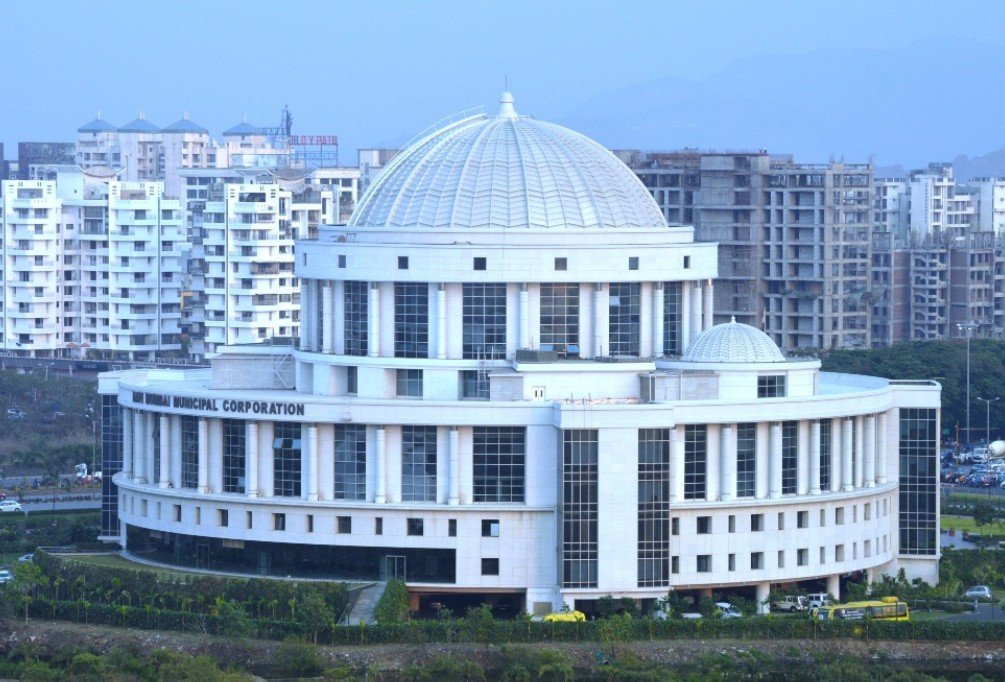
City body commissions an impact assessment study to ensure infrastructure, traffic networks, and water supply keep pace with upcoming high-density housing projects.
The Redevelopment
As Navi Mumbai prepares for a major urban face-lift, the Navi Mumbai Municipal Corporation (NMMC) is stepping back to look at the bigger picture. With several aging, dilapidated housing pockets set to undergo cluster redevelopment, civic officials have initiated a comprehensive impact assessment study to evaluate whether the city’s underlying infrastructure can support the incoming growth.
Unlike traditional building-by-building reconstruction, cluster redevelopment pulls together multiple adjacent structures to create larger, high-density residential complexes. While this gives long-time residents safer homes and modern amenities, it also dramatically increases the local population density.
The NMMC’s assessment will map out critical stress points across neighborhoods. Key areas of evaluation include whether existing water lines, sewage networks, storm-water drains, and power grids can handle the surge in demand. Analysts will also model traffic flow and parking needs to prevent severe bottlenecking along major feeder roads.
“Redevelopment shouldn’t just mean taller towers, it has to mean a better quality of life,” noted a senior NMMC official. “By assessing the load now, we can plan utility upgrades, expand public spaces, and improve road capacity before residents move into these new complexes.”
The study aims to establish a balanced blueprint for urban renewal ensuring that as Navi Mumbai grows upward, its essential civic foundations remain strong and reliable for every resident.










Aspect Sports secures six-year operating rights, opening a new platform for emerging cricketers.
The Team
Cricket fans in Navi Mumbai have another reason to look forward to the next season of the T20 Mumbai League, with the city set to get its own franchise.
Aspect Sports has secured the operating rights for the new Navi Mumbai team for Rs 106.88 crore for six years, according to the Mumbai Cricket Association (MCA). The franchise will pay Rs 12.21 crore for its first season. The addition will take the league to nine teams, expanding its reach across the Mumbai metropolitan region. For local cricket fans and young players, the new franchise could provide a closer connection to the professional T20 competition.
MCA president Ajinkya Naik said the team would create additional opportunities for emerging cricketers to showcase their talent at a higher level. Officials from the league also said the new franchise would help attract a wider audience and strengthen the competition. Aspect Sports, owned by Aspect Global Ventures, has said it wants to build a stronger presence in sports and create opportunities for athletes.
The T20 Mumbai League has featured several established Indian players, including Suryakumar Yadav, Shreyas Iyer, Ajinkya Rahane, Shivam Dube and Shardul Thakur. With Navi Mumbai now entering the league, attention will turn to the team’s name, squad and home venue. For the city’s cricket community, the franchise could bring top-level T20 action closer to home while giving young local talent an opportunity to dream bigger.
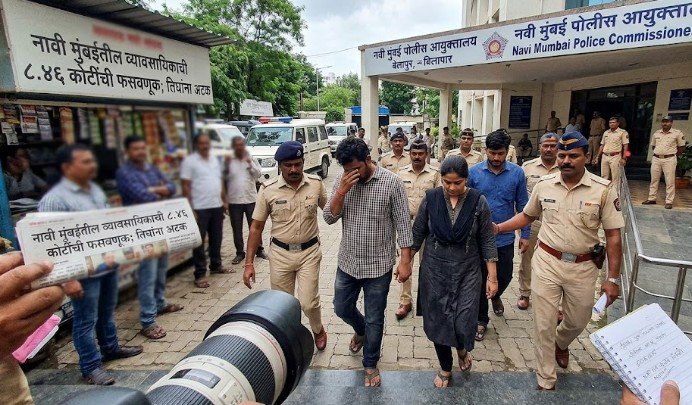
Police register case after businessman claims he was duped in a business-related transaction.
The Cheating
Navi Mumbai police have registered a case against three people for allegedly cheating a local businessman of Rs 8.46 crore in a business-related transaction.
According to the complaint, the businessman handed over a large sum of money to the accused in connection with a proposed business arrangement. However, the deal allegedly did not proceed as promised, and the money was not returned.
After attempts to recover the amount reportedly failed, the businessman approached the police and lodged a complaint. Based on his allegations, police have registered a case against the three accused and begun an investigation. Investigators are now examining the financial transactions and other documents related to the case to understand how the money changed hands and determine the individual roles of those named in the complaint.
The police are also expected to verify the claims made by the complainant and gather supporting evidence as the investigation progresses. The case involves a substantial amount of money and has drawn attention to the risks involved in high-value business transactions. Police officials have not yet established guilt, and the allegations against the accused remain subject to investigation and the legal process.
Further details are expected to emerge as investigators examine financial records and question the people connected with the transaction.
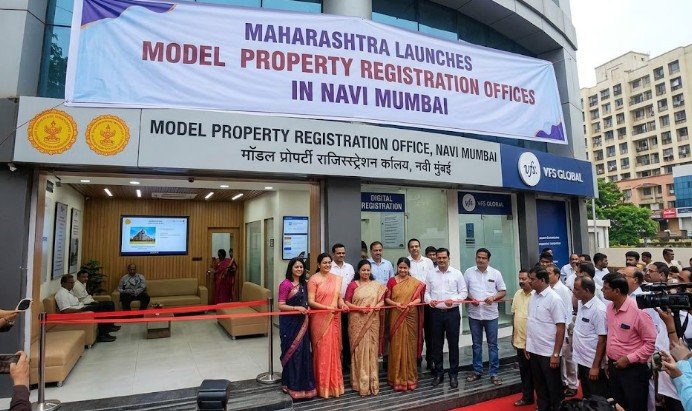
New centres in Mumbai, Navi Mumbai and Nagpur aim to make property registration quicker and more convenient.
The Launch
Property registration in Maharashtra is set to become more convenient with the launch of three new Model Sub-Registrar Offices (SROs) in Mumbai, Navi Mumbai and Nagpur.
The new centres have been opened at BKC in Mumbai, Mahape in Navi Mumbai and North Ambazari Road in Nagpur. The initiative is aimed at reducing waiting time and making the registration process smoother through greater use of digital services.
Citizens can complete Public Data Entry (PDE) online, make payments through the government portal and book appointments through the e-Step In system. The offices will handle common property-related documents, including sale deeds, lease deeds, gift deeds, powers of attorney and wills.
The new facilities are designed to offer a more comfortable experience for citizens. They include air-conditioned waiting areas, Wi-Fi, drinking water and trained staff to assist applicants during the registration process. However, the Model SROs will operate as an optional service alongside existing government registration offices. Citizens choosing the new service will have to pay an additional service fee of Rs 5,500, while regular SROs will continue to provide registration services without this fee.
The state government plans to expand the initiative by establishing 60 Model SROs across Maharashtra in phases. For property buyers, sellers and families handling property documents, the new centres are expected to provide a more organised and technology-driven registration experience.

Navi Mumbai to Get New Team in T20 Mumbai League

Three Booked for Allegedly Cheating Navi Mumbai Businessman of ₹8.46 Crore

Maharashtra Launches Model Property Registration Offices in Navi Mumbai

Nidhi Razdan, fake Harvard professorship, and here is the explanation through her blog.

As the arrangement with Prashant Kishor falls through Rahul Gandhi has gone overseas again and is uncontactable

BSNL reveals all new 4G plans starting at ₹16

-
 Fact Check6 years ago
Nidhi Razdan, fake Harvard professorship, and here is the explanation through her blog.
-
 India4 years ago
As the arrangement with Prashant Kishor falls through Rahul Gandhi has gone overseas again and is uncontactable
-
 Technology5 years ago
BSNL reveals all new 4G plans starting at ₹16
-

 Latest News5 years ago
Government has spent ₹9,725 crores on Covid-19 vaccination drive so far
-

 Latest News5 years ago
Tata wins Air India with ₹18,000 crore bid
-

 Latest News5 years ago
Jharkhand government cuts Petrol price by massive ₹25 a litre but with a catch
-

 Latest News5 years ago
Raj Kundra Gave ₹25 Lakh Bribe to Mumbai Crime Branch to Avoid Arrest
-

 Navi Mumbai5 years ago
Navi Mumbai civic body raids and tests morning walkers, many found COVID positive